

No matter what place on earth is observed, there will always be a constant that never changes: free time, a blank period where nothing is going on and naturally humans decided to develop means of making use of this time.
Desperate times call for desperate measures, and in a place with a lack of something to do, people develop hobbies. Somebody got really bored and started kicking a ball, and other people started doing the same thing. Eventually people made soccer, a sport popular around the globe and is now a common hobby. “I like to play soccer because it’s fun and I like chasing balls,” said Ammar Hassan.
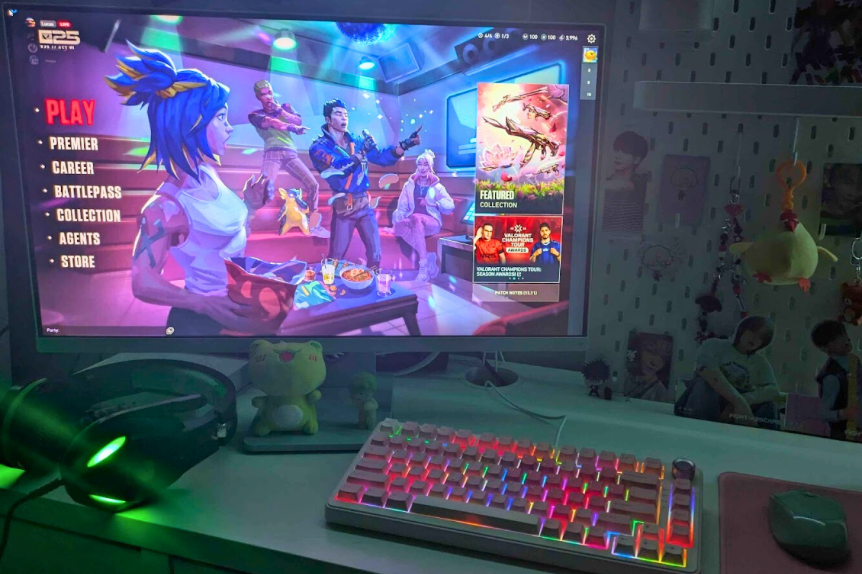
When people get a lot of free time consistently, they tend to spend more and more time doing it. A really popular hobby is video games. “They are a good way to waste time,” said Douglas Kee. They are very fun and addicting and are currently one of the most popular online activities. A popular reason for this is because it allows people to experience something they cannot do in real life, such as fly, survive in the wilderness, or even experience horror.
An overwhelming percentage of hobbies involved sports or physical exercise, but also more mental sports (like chess). From sports like baseball, snowboarding, and even tennis, these young athletes storm charts as the largest percentage of hobbies. Being crammed into a room and forced into a chair likely multiplies this effect of yearning for free movement and exercise.
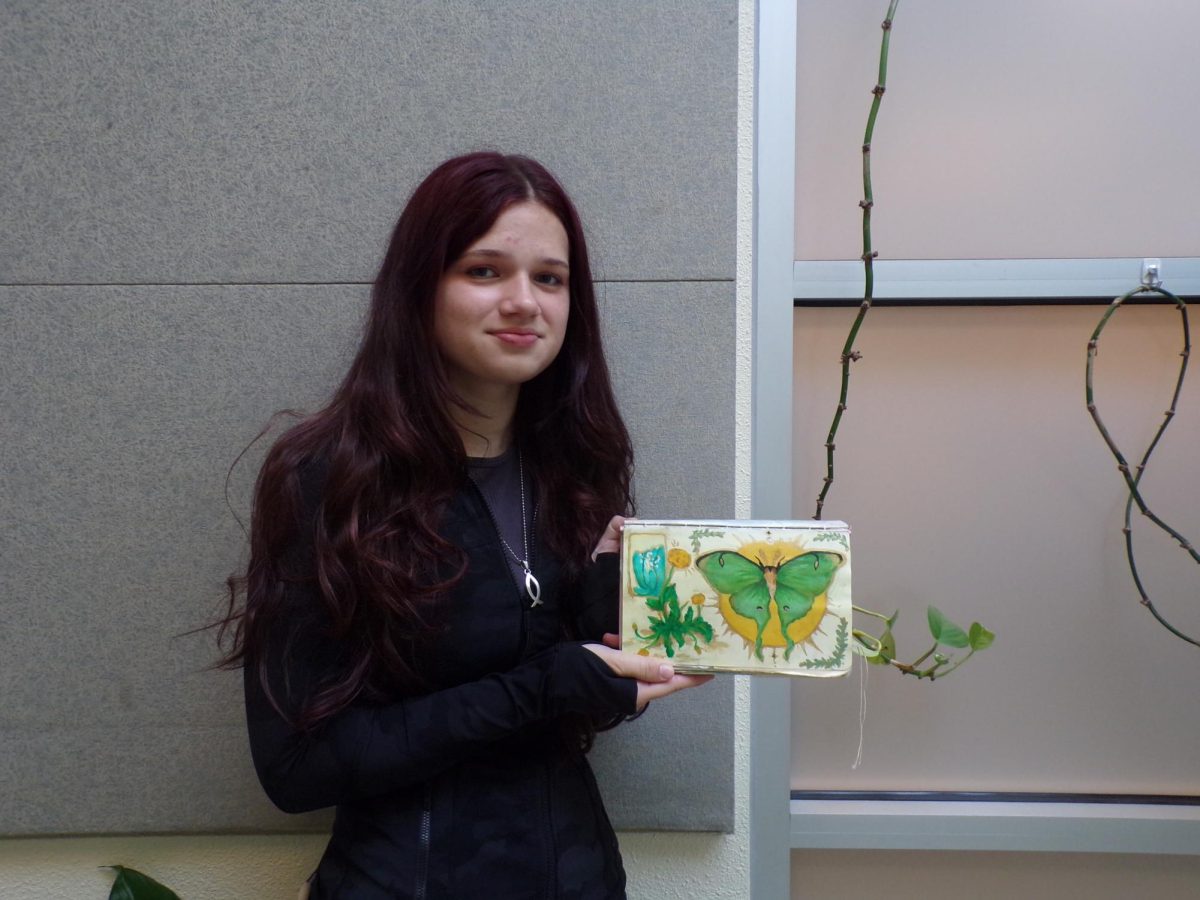
The other side of the chart describes a more diverse set of hobbies, usually something creative and calming. Alexa Ogorodnik responded that she enjoyed “The smell of wood.” Other hobbies such as gaming and fishing were brought up, but the second most common group was the creative group. Anything from drawing to baking.
More seasonal hobbies, such as snowboarding and fishing, are consistent only on a seasonal basis due to the lack of availability during other times of year. “I like snowboarding because it’s fun and I like to do tricks,” said Mark Ogorodnik. Although significantly rarer, they take up almost triple the usual amount of time per session than other hobbies and take away a whole day of potential work for the trip alone. Such dedication only comes when there’s a potential fish on the line. Snowboarding and fishing takes most time per session, about 2-6 hours, and at most 30 days per year. Although drawing can take 30 minutes per day, 365 times a year, that’s almost 185 hours per year spent on drawing alone, but a snowboarding trip only takes up about 50 hours per year. Does snowboarding leave the most time for productivity? No, the crown goes to fishing. With only about 40 hours leaving room for other hobbies like drawing.
According to the data, the more common the hobby, the shorter the session, and the more days are spent per year on it. This implies that exclusivity makes you look forward to hobbies as they are more of a privilege. People tend to want things they don’t have, and not being able to snowboard, as an example, all year makes people really look forward to snowboarding all year long. If someone knows they can play games every other day it loses its special place and becomes bland; the same applies if they have been snowboarding all season, they get fed up with it and start wanting to do something else.
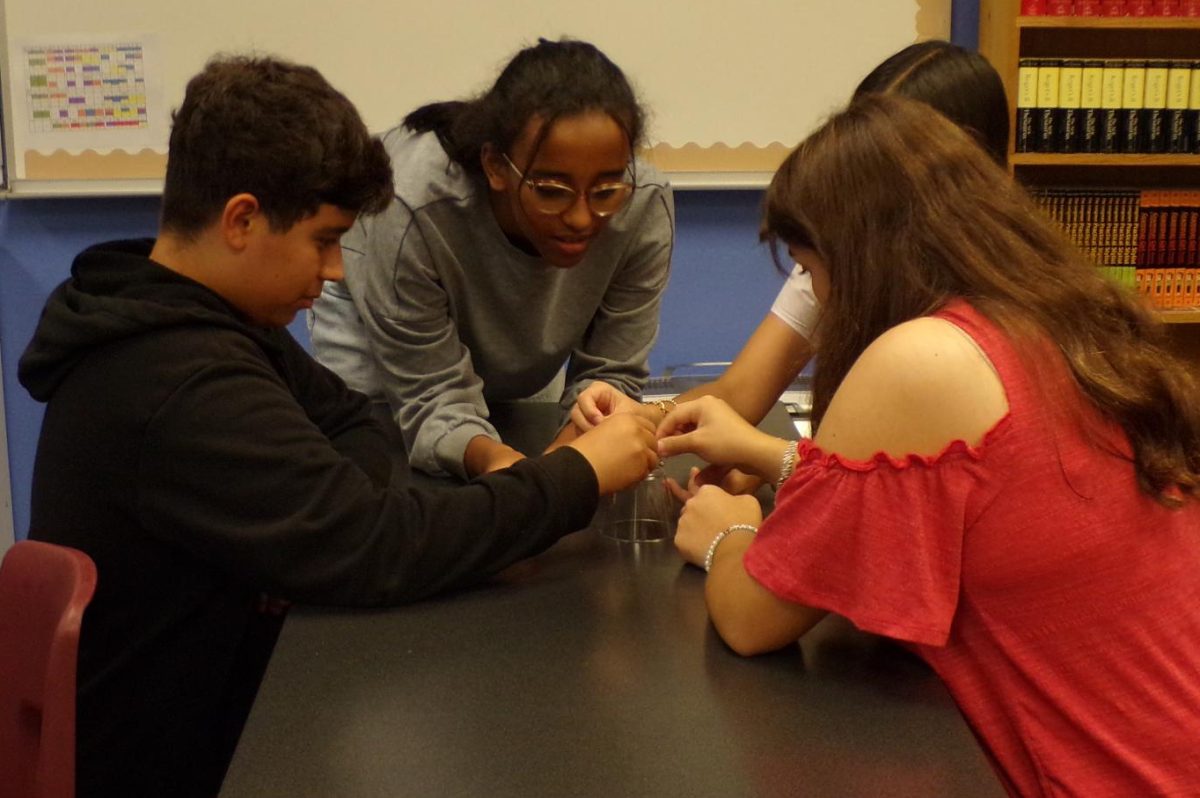
![ALL FUN AND GAMES!
Alex Gasanov enjoys the highly played game, Clash Royale, on the school benches. Many kids have been seen playing the game, normally at lunch and after school. "I enjoy [Clash Royale]'s strategy," says Alex. "It makes you think and you have to be precise about things."](https://thetigertimesfwpa.org/wp-content/uploads/2025/12/Will-e1765910073941-1200x799.jpg)