




With the winter season making its way around, many people will soon take part in their favorite seasonal traditions. These traditions help people enjoy and remember the winter season for years on end. People typically celebrate traditions differently. At FWPA, the same logic applies. Many students shared their favorite part of the winter season. Some talked about decorating Christmas trees, while others spoke about different traditions such as making hot chocolate.
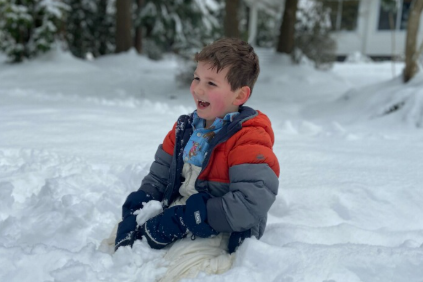
Leander Fenimore, for example, states his favorite winter festivity. “My favorite is sledding. It’s fast paced and exhilarating,” he says. Winter, for some, is enjoyed most when it’s quiet, while for others, it’s a chance to see snow and have a fast paced day of sledding. Traditions like sledding have existed for decades, in fact, the first sled historians assume the sledding was first “invented” a thousand years ago when in ancient Egypt. Instead of snow, Egyptians used carved rock to slide down sand. At this time, sledding was used for labor and convenience more so than for fun. The first time sledding was seen as a recreational activity was in 1650, in Russia, people would make wooden tracks to ride down in carved ice blocks. For years people have enjoyed sledding and still many people enjoy going out with a sled and enjoying a fast paced winter day.
Some other students prefer quieter means of enjoying winter. For example, Sadia Naqshbandi describes a winter memory. “My favorite memory of winter is when I made hot chocolate with my cousins. It’s a nice way to end a cold day,” she says. This tradition shows a quieter approach to celebrating a cold winter day that can involve many different family and friends. It first originated in 1400 AD and was a large part of the Aztec culture. It was largely, until the 19th century, used to treat stomach illnesses or liver problems. People today drink it in light of festivities and largely on cold days.
Along with indoor activities, Oskar Sathre describes how he enjoys spending his winter season, “I really like putting the Christmas tree together because it’s fun and we listen to Christmas music,” he says. Oskar also mentions that Christmas music plays a part in this tradition. Decorating Christmas trees goes back to the 15th century Germany. The common legend states that Martin Luther saw a beautiful night sky while walking through evergreens and wanted to capture the moment. To do this, he took an evergreen tree home and decorated it with candles. Today, FWPA students continue this tradition and is another example of a different type of way people welcome winter.
All of these traditions show how the people at FWPA have a variety of winter traditions that range from exhilarating, fast paced sledding, to simple days of decorating a Christmas tree to even quiet moments of making hot chocolate. These traditions show differences throughout people and their traditions.