






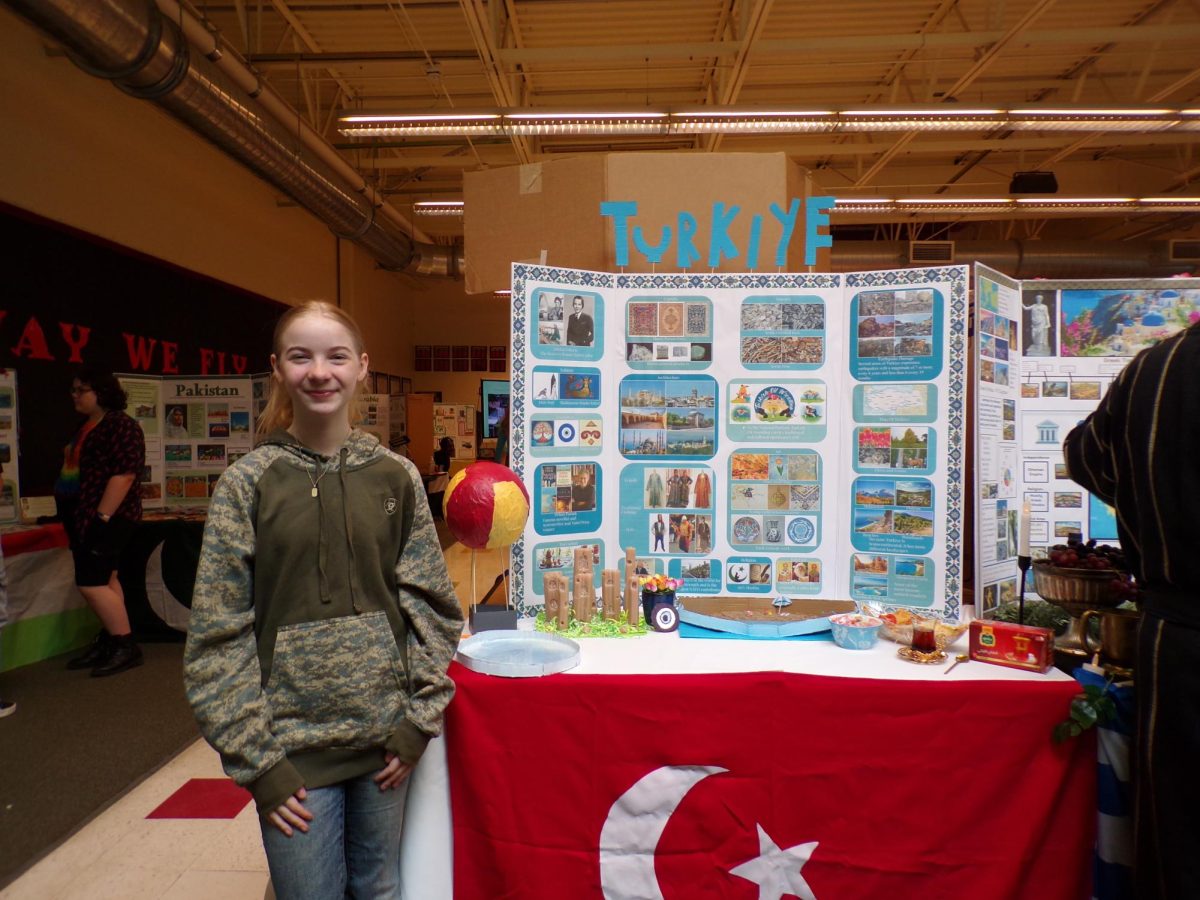
Culture fair is the final project of the seventh graders. They’re tasked with creating an in-depth analysis and posterboard of an assigned country, and are expected to memorize facts and interesting parts of that country. From January to June they memorize aspects of their country: things like history, culture, economy, and even imports and exports. At the end of the year they present this posterboard along with their own knowledge of the country to families and FWPA students.
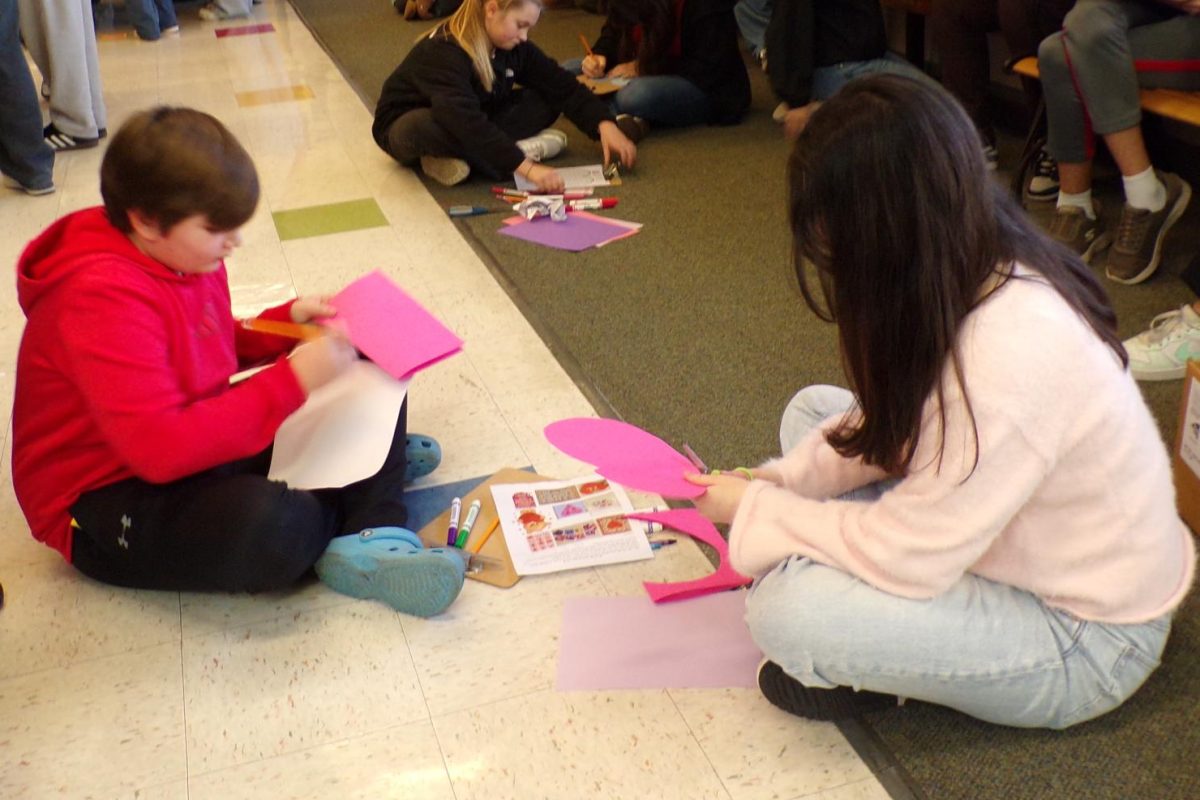
However, the preparation is harsher than one might think. Not only do these students prepare to verbally present their given country, but they also must put together an environment for their country’s board. People in the past have put a cardboard mountain on top of their board, laid table cloths and fake food props, and so much more. They also have to complete various sub-projects to help memorize the culture of the country, such as an amusement park geared toward the country’s culture.
“Researching for my country was way harder than I thought it would be,” sighed Alonzo Adams.
Once everything is prepared and everyone has completed their posterboard, it is displayed to families who choose to attend the event, and all grade levels to prove the students know what they’re talking about and their facts are correct. Students attending to test their knowledge may wander to any person’s board and ask them anything, and are asked to complete a survey about certain students and how well they know their country.
“It’s been a struggle memorizing everything,” Aiden Hong recalled.
They are graded on both the reports of people who did their survey on their boards, Mr. Klumpenhower’s own personal opinion on their performances, and given a grade from 1 through 4. This project significantly affects their overall grade and can sometimes mean the difference between a student’s grade being an A or a B.